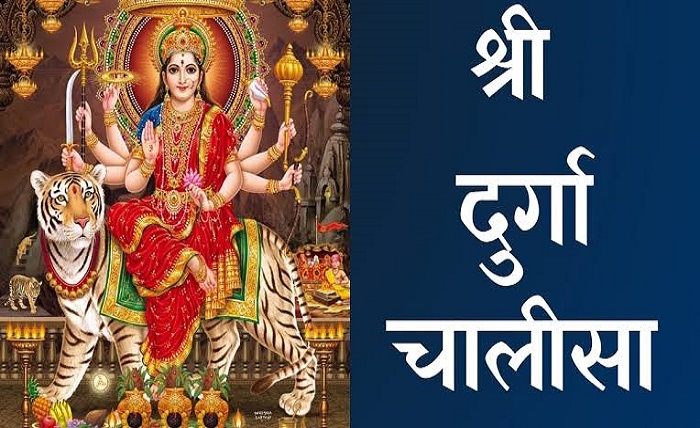
The Durga Chalisa is one of the most powerful and revered hymns dedicated to Goddess Durga, the supreme feminine energy in Hinduism. Comprising 40 verses, this sacred text is a devotional outpouring that praises the various forms and attributes of the Divine Mother. Reciting the Durga Chalisa is believed to invoke her blessings for protection, prosperity, and spiritual upliftment. This comprehensive guide explores the Durga Chalisa in detail, from its origin and meaning to its profound benefits and correct recitation methods. We will delve into the lyrics, break down the spiritual significance, and explain why the Durga Chalisa remains a cornerstone of worship for millions of devotees. Understanding the Durga Chalisa requires a deep dive into its poetic structure and the mythological context of each stanza. By the end of this post, you will have a complete 360-degree understanding of the Durga Chalisa and how to integrate it into your daily spiritual practice.
The Origin and Significance of the Durga Chalisa
The Durga Chalisa is attributed to the poet and saint Gopaldas, although its exact historical origin is often debated among scholars; however, its importance in the Shaktism tradition is undeniable. The word “Chalisa” in Durga Chalisa is derived from the Hindi word “Chalis,” meaning forty, which refers to the forty verses that constitute the hymn. This specific composition is designed to encapsulate the entire essence of the Durga Saptashati (700 verses) in a concise and accessible format, making the Durga Chalisa a favorite among laypeople and priests alike. The Durga Chalisa serves as a spiritual shield against negative energies and obstacles. It is traditionally recited during the nine nights of Navratri, but many devotees incorporate the Durga Chalisa into their daily routine, especially on Tuesdays and Fridays, which are considered sacred to the Goddess. Its significance lies not just in the chanting but in the belief that the vibrational frequency of the Durga Chalisa can alter one’s consciousness and bring one closer to divine reality.
Understanding the Structure and Language of the Durga Chalisa
The Durga Chalisa is written in a rhythmic Awadhi and Braj Bhasha style, which is typical of many North Indian devotional hymns. It begins with an invocation and a description of the Goddess’s physical beauty, symbolizing purity and strength. The structure of the Durga Chalisa is such that each verse is a “Chaupai,” and the final verses are a “Doha” expressing the devotee’s plea. The language of the Durga Chalisa is highly metaphorical, often comparing the Goddess to the sun, moon, and the cosmic elements to illustrate her infinite power. As you read the Durga Chalisa, you will notice a flow from the external appearance of the Goddess to her internal divine qualities, which makes the Durga Chalisa a complete meditation on the feminine divine. The rhythm and meter of the Durga Chalisa are crucial because the poetic structure is designed to make the chant easy to memorize. This structural integrity ensures that the Durga Chalisa remains a powerful tool for concentration and focus during prayer.
The Complete Durga Chalisa Lyrics and Their Literal Meaning
Here, we present the complete text of the Durga Chalisa alongside a simplified meaning for each verse. It is important to understand the meaning of the Durga Chalisa so that recitation is not merely a mechanical process but an act of devotion.
श्री दुर्गा चालीसा (Shri Durga Chalisa)
Namo Namo Durge Sukh Karani, Namo Namo Ambe Dukh Harani
Meaning: I bow to you, O Durga, who bestows happiness; I bow to you, O Amba, who removes suffering.
Shankar Aacharaj Tap Karavan, Sur-Muni Chitt Dhavaan
(She motivates even Shiva to perform penance and is the one the gods and sages seek.)
Tum Saman Koi Na Sansara, Moha Bhava Sagara Tum Hi Tara
(There is none equal to you in the world; you are the one who helps us cross the ocean of illusion.)
Jai Jagdambe Maa, Jai Jai Maa
(Victory to the Mother of the Universe; Victory, Victory to the Mother.)
As we progress through the Durga Chalisa, we encounter verses that describe Goddess Durga’s many forms—from Mahakali, the fierce form of time, to Mahalakshmi, the giver of wealth. The Durga Chalisa beautifully narrates the story of her slaying Mahishasura, the buffalo demon, symbolizing the victory of good over evil. Reading the Durga Chalisa in its entirety, you will note that each verse in the Durga Chalisa ends with a devotional request, making it a heartfelt dialogue between the devotee and the Goddess.
The Spiritual Benefits of Reciting the Durga Chalisa Daily
The benefits of reciting the Durga Chalisa are numerous, ranging from material prosperity to spiritual liberation. The Durga Chalisa is a powerful tool for removing “Kali” or the negative effects of the Kali Yuga. Regular recitation of the Durga Chalisa is believed to eliminate fear, anxiety, and depression by instilling a sense of divine protection. Many psychotherapists are now recognizing that the rhythmic chanting of the Durga Chalisa acts as a form of sound therapy that balances the chakras. Moreover, the Durga Chalisa is often recommended for individuals facing legal troubles or financial difficulties, as it is said to invoke the grace of Goddess Durga, who is the consort of Lord Shiva, the cosmic lord of destruction and renewal. The Durga Chalisa also strengthens one’s willpower and decision-making abilities. In essence, integrating the Durga Chalisa into your daily schedule creates a sacred space that protects the home and mind.
The Correct Method to Chant the Durga Chalisa
To maximize the effects of the Durga Chalisa, it is essential to follow the proper chanting rituals. The best time to recite the Durga Chalisa is during the Brahma Muhurta (early morning) or during the Sandhya times (sunrise and sunset). Before beginning the Durga Chalisa, one should take a bath and wear clean clothes, preferably yellow or red. It is recommended to sit facing east or north while reciting the Durga Chalisa. Lighting a ghee lamp and offering flowers to an image or idol of the Goddess enhances the efficacy of the Durga Chalisa. The pronunciation of the Durga Chalisa is critical; the incorrect pronunciation can change the meaning of the mantras embedded within the Durga Chalisa. Therefore, listening to a recording of the Durga Chalisa first is a good practice for beginners. It is usually advised to chant the Durga Chalisa 7 or 11 times for specific wishes, but even once with full devotion is sufficient for peace.
Durga Chalisa in Modern Times: Relevance and Adaptations
In today’s fast-paced world, the Durga Chalisa remains incredibly relevant. The Durga Chalisa has seen numerous musical adaptations and recordings by famous artists like Anuradha Paudwal and others, making it accessible to the global diaspora. The Durga Chalisa is no longer confined to temples but is frequently played in cars, homes, and even workplaces to create a positive environment. The universal message of the Durga Chalisa—that of a mother protecting her children—resonates with people of all backgrounds. Modern psychologists often look at the Durga Chalisa as a guide to understanding the archetype of the warrior goddess within ourselves. The Durga Chalisa inspires women’s empowerment movements, as it symbolizes the ultimate feminine power (Shakti). The digital age has also made it easier to learn the Durga Chalisa, with apps and websites providing the text in multiple languages, ensuring that the Durga Chalisa continues to thrive across generations.
Debunking Myths Surrounding the Durga Chalisa
There are several misconceptions surrounding the Durga Chalisa that need to be clarified. One common myth is that the Durga Chalisa must only be recited during Navratri; however, the Durga Chalisa can be recited at any time of the year. Another myth suggests that the Durga Chalisa should not be recited by men, but that is entirely false, as great male saints and sages have always chanted the Durga Chalisa. Some people believe that reciting the Durga Chalisa without a Guru’s initiation is useless, but in reality, the Durga Chalisa is a public domain hymn meant for everyone. The Durga Chalisa is not a magic spell but a form of loving devotion. It is also a myth that the Durga Chalisa brings bad luck if not chanted perfectly; rather, the Goddess looks at the intention behind the Durga Chalisa rather than the technicalities. Understanding these myths helps in purifying the practice of reciting the Durga Chalisa.
Conclusion
The Durga Chalisa is much more than a string of forty verses; it is a spiritual journey, a protective armor, and a source of cosmic energy. Whether you are a devout follower or a curious seeker, the Durga Chalisa offers a path to peace and strength. The Durga Chalisa connects the finite human with the infinite divine, providing solace in times of distress and celebrating joy in times of prosperity. By understanding the meaning and the correct method of the Durga Chalisa, we honor the tradition and ensure its longevity. As you continue to incorporate the Durga Chalisa into your life, remember that the ultimate aim of the Durga Chalisa is to awaken the inner Durga within ourselves, enabling us to fight our inner demons. Let the powerful verses of the Durga Chalisa guide you towards a life of righteousness, courage, and unwavering faith.
FAQs
1. How many times should I chant the Durga Chalisa?
It depends on your personal capacity and goal. While once a day is sufficient for general peace and devotion, many people recite the Durga Chalisa 7 times (a Saptapathi) or 11 times to fulfill specific desires. During Navratri, devotees often chant the Durga Chalisa multiple times to receive the goddess’s special blessings.
2. Can I listen to the Durga Chalisa instead of reading it?
Yes, listening to the Durga Chalisa with full attention is also considered beneficial. However, chanting it yourself (Vaikhari Japa) is believed to be more powerful because it engages your speech, hearing, and mind simultaneously, creating a more profound effect. If you are unable to read, playing a recording of the Durga Chalisa still creates a positive environment.
3. Are there any restrictions on who can recite the Durga Chalisa?
No, there are no caste, gender, or age restrictions for reciting the Durga Chalisa. Anyone, regardless of their background, can chant the Durga Chalisa with pure devotion. The Goddess is the universal mother who welcomes all her children.
4. What is the best day to start reading the Durga Chalisa?
While you can start reading the Durga Chalisa any day, it is particularly auspicious to start on a Tuesday, Friday, or during the holy days of Navratri. Starting on a Tuesday, which is ruled by Mars (a planet representing strength), is said to provide better results for those seeking courage and victory.
5. What should I do if I make a mistake while chanting the Durga Chalisa?
Do not worry or stop abruptly. The intention behind the Durga Chalisa is what matters most. If you make a mistake, simply apologize to the Goddess internally, take a deep breath, and continue from where you left off. It is recommended to complete the Durga Chalisa without any breaks once you have started.